


Custom-Painted Figurines: Mistakes to Avoid Before Choosing Your Piece
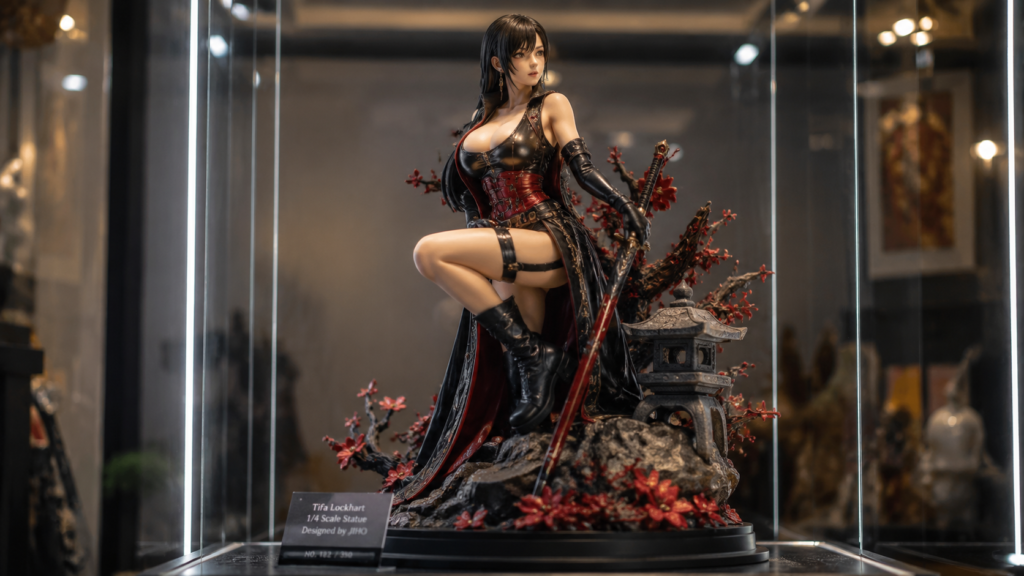
A painted figurine often catches the eye more quickly than an unpainted version. The contours are already highlighted, the materials come to life, the face becomes more expressive, and the base tells a more compelling story. You can immediately picture the piece in a display case, bathed in soft light, as part of a carefully curated collection.
But ordering a custom-painted figurine calls for a bit of perspective. A beautiful paint job isn’t just about adding color. It must complement the sculpture, capture the character’s essence, make the details clear, and remain consistent with the piece’s scale.
The risk, when you make a decision too quickly, is letting yourself be guided solely by the immediate impact: bold colors, dramatic contrast, large size, and an impressive pose. However, a successful collectible figurine is one you can admire for a long time. It should be appealing at first glance, but it should also retain its charm when you return to examine it up close.
Understanding What a Painted Figure Really Offers
Painting Reveals Sculpture
A good resin sculpture already possesses its own strength: volume, texture, folds, facial features, muscles, armor, base, and accessories. Painting serves to reveal all of this. It should not obscure the sculptor’s work, but rather help it come across more clearly.
On a fantasy figurine, painting can highlight leather, metals, fabrics, or magical elements. On a dark fantasy piece, it can emphasize shadows, weathered textures, strange skins, or unsettling details. On a manga or anime figure, painting can support a more vibrant, stylized, and sometimes high-contrast aesthetic.
A well-executed custom-painted figurine gives the impression that the color was already part of the sculpture. Nothing seems to have been applied at random. The colors guide the eye to the key areas: the face, the hands, the weapon, the posture, and the base.
A painting that’s too flashy can be tiring on the eyes
Spectacular displays are eye-catching, but they don’t always hold up over time. Highly saturated colors, overly harsh contrasts, or too many effects can make a strong impression at first but eventually become tiresome in a store window.
Of course, it depends on the genre. A manga figure can handle bolder colors. A science fiction piece can play with luminous or metallic effects. A dark fantasy figure, on the other hand, often looks better when it has a deeper tone, with dark shades and subtle contrasts.
The right choice isn’t necessarily the most striking one. It’s the one that complements the atmosphere. A more subtle paint color can sometimes make a much bigger impact than a design that’s too busy.
Common Mistakes to Avoid Before Ordering a Painted Figure
Choose based on a photo only
A photo can be appealing, but it doesn’t tell the whole story. It doesn’t always show the actual size, the depth of the base, how the piece will catch the light, or the space it will take up in a display case.
Before choosing a painted figurine, imagine how it will look in your home. Will it be viewed up close or from a distance? Will it go on a shelf that’s already full? Will it be placed in the center of a display case, on a piece of furniture, or in a dedicated space?
A piece that looks beautiful in a photo may seem too small in a large display case, or too imposing in a small space. This isn’t a matter of quality, but of suitability. A collectible figurine must be designed with its future setting in mind.
Ignoring the scale
Scale affects how the painting is perceived. On a 1/9-scale figure, the details must remain clear without becoming too fine or too scattered. On a 1/6-scale figure, the face, textures, and contrasts take on greater importance. On a 1/4-scale piece, every nuance becomes much more visible.
A large, painted figurine is less forgiving of inconsistent choices. A color that’s too flat, a poorly placed contrast, or an area that’s too uniform stands out more. On the other hand, a large scale allows for magnificent transitions, more subtle textural effects, and a much stronger presence.
Before placing an order, you should therefore choose the scale based on the available space, but also on the desired level of presence. A 1/4-scale room does not serve the same purpose as a 1/9-scale room. It requires more attention, more distance, and more space.
Forget about consistency with the rest of the collection
A painted figurine doesn’t always stand alone. It often finds its place in a display case, on a shelf, as part of a series of themes, or among a collection of pieces that are already there. If it’s too different, it can create an interesting contrast… or an imbalance.
A fantasy figurine painted in natural tones will blend in easily with warriors, creatures, or mythological characters. A very colorful piece can serve as a focal point in a more subdued collection. A dark figurine can add depth to a display case already themed around horror or dark fantasy.
It would be a mistake to think only of the figurine on its own. A well-painted piece must also interact with the others. It can dominate, complement, or contrast, but it must not give the impression that it ended up there by accident.
Unfinished or painted: choose based on your collector profile
A raw finish for those who appreciate potential
An unfinished figurine has a special charm. It reveals the sculpture in its purest form. The volumes, textures, and details appear in their most direct form. For a painter, it serves as a foundation for their work. For a collector with an appreciation for sculpture, it’s also a way to appreciate the piece before any interpretation involving color is applied.
The unpainted version is ideal for those who want to customize their figure, set the mood themselves, experiment with colors, or work on a painting project. It requires more effort, but offers complete freedom.
So this isn’t a “less polished” version. It’s just a different way of approaching the piece. A rough figurine can be beautiful, especially if the sculpture is rich and clearly defined.
A painted finish for a piece ready for display
A painted figurine is best suited for those who want a piece that’s immediately recognizable and ready to be displayed in a showcase. It offers a more complete experience: the world, the materials, the contrasts, and the atmosphere are all already established.
This is especially important for a piece intended to be displayed in a living space. A painted figurine can become a focal point in a room, a display case, or an office. It catches the eye more easily, especially if the lighting highlights its form.
The pre-painted finish is also reassuring for people who don’t paint their own figures. It allows them to enjoy the sculpture without having to turn the figurine into a personal project.
Preparing for the Arrival of a Painted Figurine in the Store Window
Plan your space before ordering
It’s a simple step, but one that’s often overlooked. Before ordering a custom-painted figurine, you need to measure the available space. Height, width, depth—all three matter.
A figure with a cape, a raised weapon, a wing, a wide base, or a dynamic pose can take up more space than you might think. A 1/6-scale figure can sometimes require almost as much breathing room as a larger one if its composition is very open.
Planning your space helps you avoid unpleasant surprises. It also makes it easier to choose the right scale. A figurine displayed properly looks better than one crammed into a space that’s too small.
Thinking About Light
Painting exists because of light. A painted figurine placed in a dark area loses some of its appeal. Contrasts disappear, details blur, and the face becomes less expressive.
Soft lighting, positioned slightly to the side or from above, can transform the way a room looks. It reveals shapes, textures, shadows, and subtle nuances of color. You don’t need a complicated setup. The key is to avoid areas that are too dark or lighting that’s too harsh.
In a store window, the lighting should complement the display, not overwhelm it.
Let the figurine breathe
A painted figurine deserves some space around it. If it’s surrounded by too many other pieces, its colors and details can get lost. The display case then becomes visually cluttered.
Leaving a little space around a piece allows the viewer to better understand it. This is even more true on a large scale. A 1/4-scale figurine, for example, needs to have a real physical presence. It shouldn’t look cramped or placed there by default.
A beautiful exhibition gives the impression that each piece has been carefully selected and placed.
Miniature Workshop: Choosing a Piece Painted with Intent
At Atelier Figurines, a custom-painted figurine is conceived as a collector’s item. The choice isn’t limited to “unpainted or painted.” It also involves scale, theme, atmosphere, its place in the display case, and the joy of admiring the piece over time.
The 1/9, 1/6, and 1/4 scales allow you to adapt the figure’s presence to your space. A 1/9-scale piece can enhance a diverse collection. A 1/6-scale figurine can strike a great balance between detail and ease of display. A 1/4-scale piece can take on a more prominent, almost sculptural presence.
The painted finish is designed for those who want a figure that’s ready to display and immediately recognizable. The unpainted finish remains ideal for painters or collectors who want to personalize the piece in their own way.
In either case, the key is to choose a figurine that fits your theme. A beautiful piece shouldn’t just be impressive—it should fit right into your collection.
Conclusion
Ordering a custom-painted figurine is a more personal choice than it might seem. You’re not just choosing a colorful sculpture. You’re choosing a mood, a scale, a presence—and a way to display the piece and admire it every day.
The most common mistakes often stem from making a decision too quickly: forgetting about the available space, neglecting the scale, relying solely on a photo, or choosing a very striking painting without considering the overall harmony of the window display.
A well-painted figurine should remain easy to recognize, expressive, and a pleasure to look at for a long time. Whether it’s fantasy, dark fantasy, manga, historical, or science fiction, it’s always best to choose it with care. It’s this attention to detail that transforms a resin figurine into a true collector’s item.
FAQ
It depends on your preferences. A custom-painted figurine is a good choice if you want a piece that’s ready to display, with colors, contrasts, and an overall look that have already been carefully crafted. An unpainted figurine is better suited if you enjoy painting it yourself or if you want to fully customize the piece. Both options are worthwhile. The right decision depends mainly on what you want: to quickly display a finished piece or to be part of its transformation yourself.
The 1/9 scale is practical for an already extensive collection or a display case with multiple pieces. The 1/6 scale offers a nice balance between presence, visible details, and ease of display. The 1/4 scale requires more space but creates a much more sculptural impression. For a painted figure, the scale also affects how details are perceived: the larger the piece, the more visible the nuances in the paint become.
A well-executed paint job complements the sculpture rather than obscuring it. The forms must remain clear, the contrasts must guide the eye, and the colors must match the room’s atmosphere. The face, hands, weapons, clothing, and base must be easily discernible. A beautiful paint job isn’t necessarily the most spectacular one. It’s the one that gives the figure character without straining the eye.
Yes, it’s highly recommended. A painted figure may look perfect in a photo, but can be difficult to display if it’s too tall, too wide, or too deep. Measure the available space before choosing the scale. Also consider lighting, viewing distance, and any other miniatures already in the display. A well-displayed piece will always make a bigger impact than a miniature crammed into an ill-suited space.
Yes, but you need to find a visual connection. This connection can come from the colors, the theme, the scale, the base, or the overall atmosphere. A figurine painted in a very different style can create an interesting contrast, as long as it doesn’t throw the entire display off balance. If your collection mixes fantasy, manga, science fiction, or dark fantasy, choose a piece whose presence enhances the whole rather than making it look cluttered.