

Limited Editions
Atelier Figurines’ limited editions are designed for collectors who are looking for more than just a decorative figurine. Each piece is part of a limited series, produced in limited quantities, with an individual serial number, a certificate of authenticity, and—depending on the series—registration in an international database dedicated to the traceability of works of art and collectibles.
This approach gives each figurine a special status: that of a collectible resin piece, crafted by hand on a made-to-order basis, identifiable, documented, and linked to a specific edition. The limited number of pieces enhances the item’s rarity, the coherence of the collection, and its symbolic value.
On this page, you’ll find all the essential information you need to understand what a limited edition is, why the serial number is important, what the certificate of authenticity includes, how the registration process works, and why these elements matter to a discerning collector.
Showing all 7 resultsSorted by latest
-
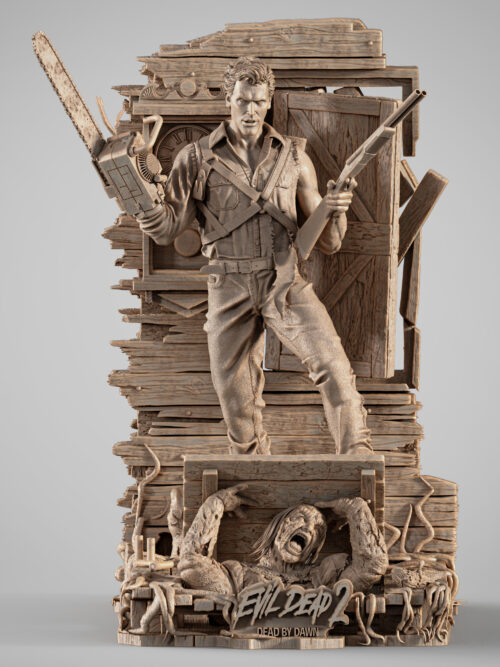
Ash Williams – Evil Dead 2 – Resin Diorama
From 111,20 € Order the piece This product has multiple variants. The options may be chosen on the product page -
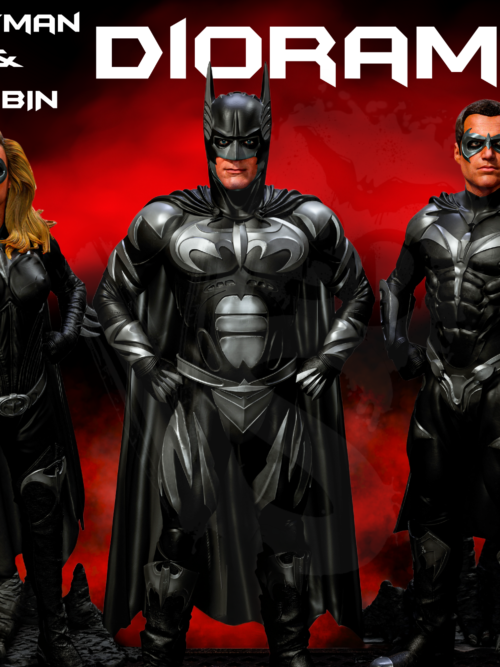
Gotham Vigilantes Trio – Resin Diorama
From 199,20 € Order the piece This product has multiple variants. The options may be chosen on the product page -
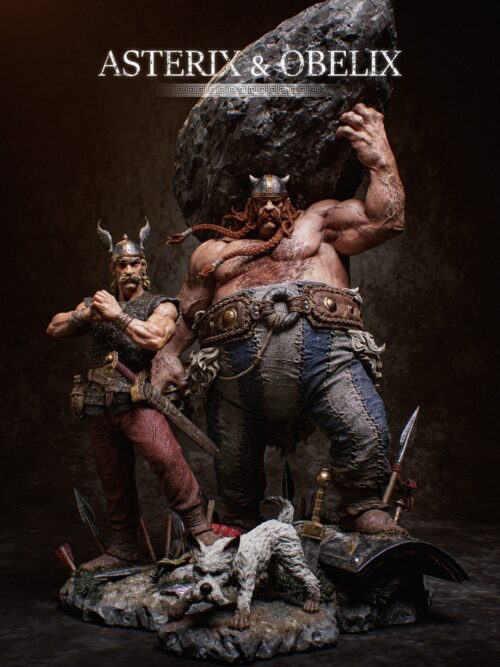
Asterix & Obelix – Menhir Diorama – Resin Diorama
From 103,20 € Order the piece This product has multiple variants. The options may be chosen on the product page -
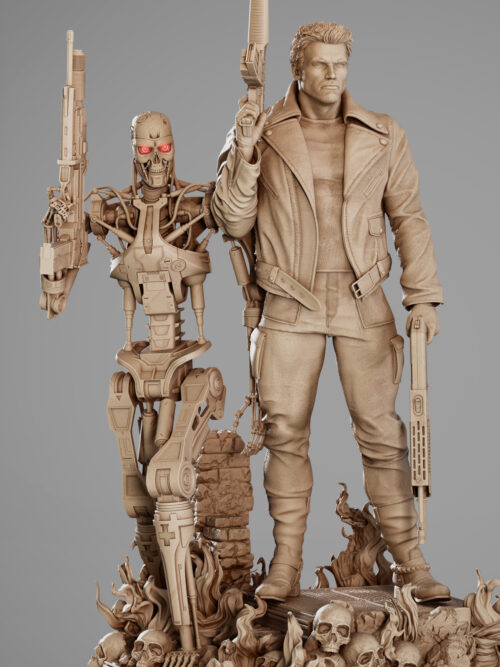
Terminator – T-800 and Endoskeleton – Resin Diorama
From 71,20 € Order the piece This product has multiple variants. The options may be chosen on the product page -

Alice Liddell – Resin Diorama
From 71,20 € Order the piece This product has multiple variants. The options may be chosen on the product page -
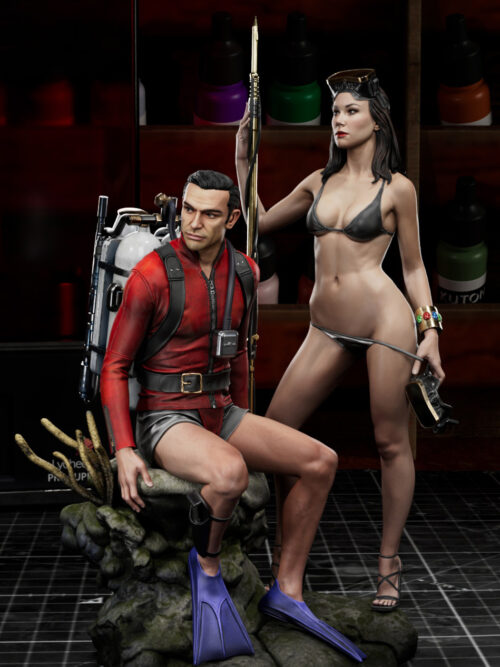
Bond & Elena – Abyss Hunters – Resin Diorama
From 111,20 € Order the piece This product has multiple variants. The options may be chosen on the product page -
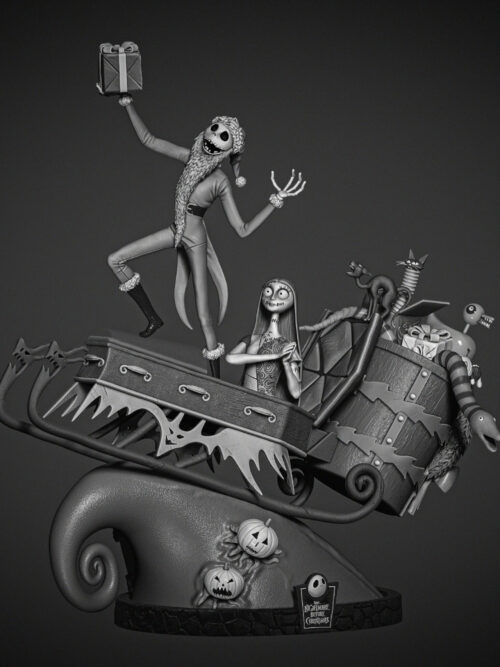
Jack Skellington & Sally – Sleigh – Resin Diorama
From 111,20 € Order the piece This product has multiple variants. The options may be chosen on the product page
What is a limited edition?
A limited edition is a series of figurines produced in a predetermined quantity. Unlike an open-run production, which could be reprinted indefinitely, a limited edition is capped at a maximum number of copies.
Each figurine therefore belongs to a specific series. For example, a piece might be numbered 07/50, which means it is the seventh copy in a limited series of fifty pieces. Once the limit is reached, the series is considered complete.
This principle is essential in the world of collectible figurines, as it creates genuine rarity. The collector doesn’t just own a model—he owns a specific, numbered piece from a limited series.
A rarity that was evident from the start
The number of copies is not a minor detail. It indicates how many pieces will be produced in this edition. The shorter the run, the more unique each copy becomes in a collection.
This limitation provides clear information at the time of purchase: you know that the figurine is not intended to be reproduced indefinitely. It is part of a limited edition, designed to maintain true consistency within the collection.
Why limit the number of copies?
Limiting the number of copies helps preserve a figurine’s rarity and desirability. In a collection, rarity plays an important role: it distinguishes a common piece from one that is tracked, numbered, and documented.
A limited edition also makes the production process more transparent. Collectors know that the series has a beginning, an end, and a known total number of pieces. This transparency builds trust and avoids the impression of a vague or undefined production process.
For Atelier Figurines, this limitation is also a way of honoring the work involved in sculpting, printing, preparation, and finishing. Each model requires time, attention, and quality control. A limited series ensures that these high standards are maintained for every piece.
Rarity, Consistency, and Collectible Value
A limited-edition figurine is more than just its size or finish. It has a place within a series. This concept is important for collectors who want to build a cohesive collection, track the evolution of a studio, keep a record of their acquisitions, or pass on a piece along with its original information.
The serial number, certificate, and registration form a set of documents that accompany the figurine. They provide context, identity, and traceability for the piece.
The Status of a Work of Art as Applied to Collectible Figurines
A collectible resin figurine can be viewed as a miniature sculptural work. It is the result of artistic craftsmanship: character design, silhouette development, pose composition, balance of forms, facial expression, costume details, textures, base, and staging.
In the case of a limited edition, this artistic dimension is enhanced by the item’s rarity and accompanying documentation. The figurine is no longer merely a reproduced object; it becomes an identified piece from a short production run.
This status as a collector’s item is particularly important for busts, large-scale models, dioramas, original figures, hand-painted pieces, and models intended to be displayed as centerpiece items in a collection.
A collector’s item, not just an accessory
Resin figurines occupy a unique place between works of art, decorative sculptures, and collectibles. It may depict a character from fantasy, science fiction, history, mythology, manga, fan art, horror, wargames, or an imaginary universe, but its value also stems from its craftsmanship, finish, and authenticity.
A limited edition provides a clearer understanding of this value: the piece is numbered, documented, and part of a specific series.
The Certificate of Authenticity
Each limited edition may come with a certificate of authenticity. This document serves to confirm the item’s origin, its inclusion in a limited series, and its individual number.
The certificate of authenticity is an important document for collectors. It serves as written proof of the figurine’s authenticity. It accompanies the item over time, particularly in the event of resale, transfer of ownership, insurance, personal inventory, or cataloging within a collection.
What does the certificate contain?
Depending on the edition and the available information, the certificate may include the name of the figurine, the scale, the finish, the total number of copies, the serial number, the date of issue, the original manufacturer, and any other information necessary to identify the piece.
The certificate may also specify whether the figurine is sold unpainted, painted, assembled, unassembled, or with a specific finish. This clarification prevents any confusion between two versions of the same model.
The individual serial number
The serial number is one of the most important elements of a limited edition. It identifies the specific piece within the entire series. A notation such as 12/100 means that the figurine is the twelfth piece in a limited series of one hundred.
This number helps distinguish your figurine from other pieces in the same edition. It gives each piece a unique identity within the series, even though the pieces share the same sculpture.
In a serious collection, the serial number allows the item to be accurately documented. It can be recorded in an inventory, linked to an invoice, attached to the certificate of authenticity, and retained as traceability information.
Why is the serial number important?
The serial number enhances transparency. It indicates that the piece is not part of an anonymous production run. It provides the collector with specific information about the position of his or her copy within the edition.
It also helps maintain the consistency of the series. Each copy is linked to a specific issue, which makes it easier to track the editions over time.
Registration in an international database
Certain editions may be registered in an international database dedicated to the traceability of works of art, collectibles, or digital certificates. This registration allows the figurine to be linked to verifiable information: the model’s name, edition, serial number, certificate, and the piece’s identification details.
The goal is to enhance traceability and build trust. Collectors thus have a physical document—the certificate of authenticity—and an external registration record when this option is available for the series in question.
This approach is part of a serious collecting philosophy: to identify, document, and preserve the history of a piece, so that it is not reduced to a mere object without provenance.
A traceability tool for collectors
Registration allows you to link a figurine to a record or a unique reference number. This can be useful for verifying a piece’s origin, confirming that it is part of a limited edition, or keeping an organized record of its acquisition.
For collectors, this traceability provides clarity. It reinforces the credibility of the publication and makes it easier to preserve information over time.
Limited Editions and Made-to-Order Production
At Atelier Figurines, made-to-order production allows us to craft each piece with care. This manufacturing approach avoids the need for large-scale inventory and prioritizes controlled production, tailored to resin models and collectors’ expectations.
When a figurine is part of a limited edition, production based on orders is included in the total number of authorized copies for that edition. Each order then corresponds to a specific, identified copy, produced in accordance with the series.
This method ensures a clear link between the manufacturing process, the serial number, the certificate of authenticity, and any registration. It establishes a documented history for the part from the moment it is produced.
Limited editions, unfinished or painted
A limited edition may be available in an unpainted or painted version, depending on the models offered. The unpainted version is intended for collectors and artists who wish to paint the piece themselves. The painted version is intended for those who wish to receive a piece that is ready to display.
In both cases, the limited-edition status remains important. A numbered unpainted figure retains its place in the series. A painted figure can add an extra dimension, as hand-painting brings variations, nuances, and a unique interpretation to each piece.
Paint enhances its unique character
Even when a sculpture is part of a limited edition, painted versions may vary slightly from one piece to another. The nuances, contrasts, textural effects, and hand-finished details all contribute to the piece’s unique character.
This is one of the reasons why limited-edition painted figurines are particularly prized by collectors: they combine the rarity of the series, an individual serial number, and artistic finishing touches.
Why choose a limited-edition figurine?
Choosing a limited edition means choosing a piece that is rarer, better documented, and more easily identifiable. For a collector, these factors are important because they provide context for the object and enhance its value within a collection.
A limited-edition figurine can become the centerpiece of a display case, the highlight of a theme, or the standout piece in a series. It follows a specific selection criteria: fewer pieces, but ones that are more striking, more sought-after, and more meaningful.
It also helps maintain a clear record: certificate, serial number, total number of copies, chosen finish, and any registration. This information is invaluable for organizing a collection and keeping track of the history of each acquisition.
How can you tell if an Atelier Figurines product is a limited edition?
When a model is offered as a limited edition, this information is indicated on the product page. The total number of units, the inclusion of a certificate, the serial number, and the available traceability information make it possible to clearly identify the item’s status.
Before making a purchase, we recommend that you read the product description carefully. It outlines important details such as scale, finish, availability, production lead time, certificate contents, limited edition status, and any registration options.
An approach designed for collectors
Atelier Figurines’ limited editions are designed to add more meaning to the act of purchasing. A figurine isn’t chosen solely for its appearance; it’s chosen for its backstory, its rarity, its identity, and its place in a collection.
The certificate of authenticity, the serial number, and any registration information support this process. They establish a link between the piece, the studio, the edition, and the collector.
This approach is particularly well-suited for large-scale figurines, busts, dioramas, painted models, and pieces intended for long-term display.
Summary: What Makes a Limited Edition Special
A limited edition from Atelier Figurines is distinguished by its limited number of copies, its individual serial number, its certificate of authenticity, and—depending on the series—its registration in an international database. These features enhance the figurine’s rarity, traceability, and status as a collectible.
For the collector, this means a piece that is more accurately identified, rarer, and accompanied by clear documentation. For the workshop, this means a more controlled production process that is more faithful to the original model and more consistent with a collector’s approach.
FAQ
A limited-edition figurine is a piece produced in a predetermined quantity. Each piece belongs to a specific series and may be assigned an individual number, such as 08/50. This means that the figurine is the eighth piece in a limited series of fifty.
The certificate of authenticity serves to document the figurine’s origin, edition, serial number, and key details. It accompanies the piece over time and provides clear proof that it is part of a limited edition.
The serial number identifies your piece within the entire series. It distinguishes your figurine from other pieces of the same model and allows you to keep an accurate record for your collection, inventory, or future transfer.
Registering the figurine in an international database allows it to be linked to a reference number or a traceability record. Depending on the series in question, this can improve the identification of the piece, facilitate its tracking, and verify that it is part of a limited edition.
Yes. A limited edition may be available in an unpainted or painted version, depending on the model. The unpainted version allows the collector to paint the piece themselves, while the painted version is ready for display. In both cases, the serial number and certificate remain important.